[gtranslate]

Have questions?
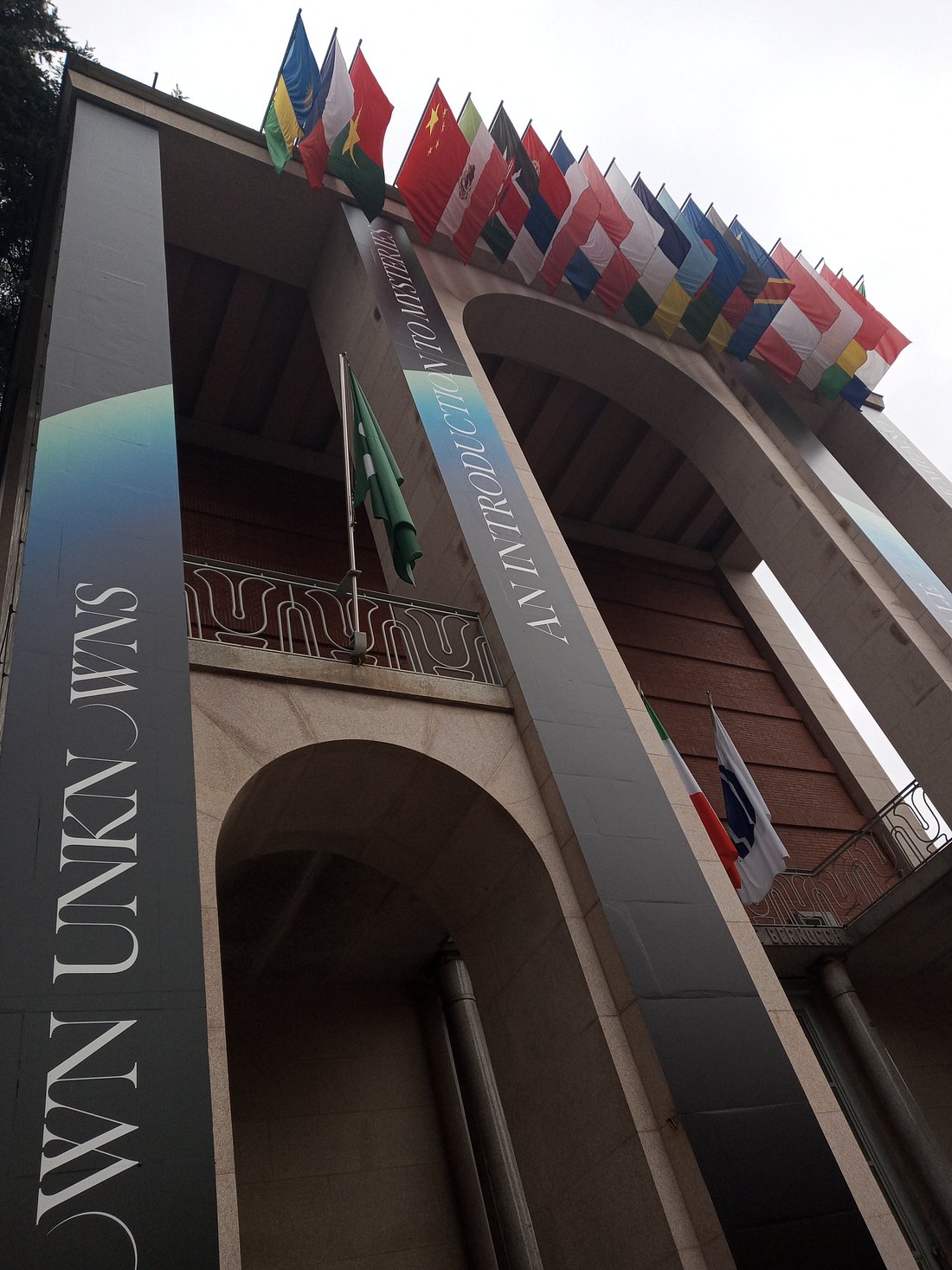
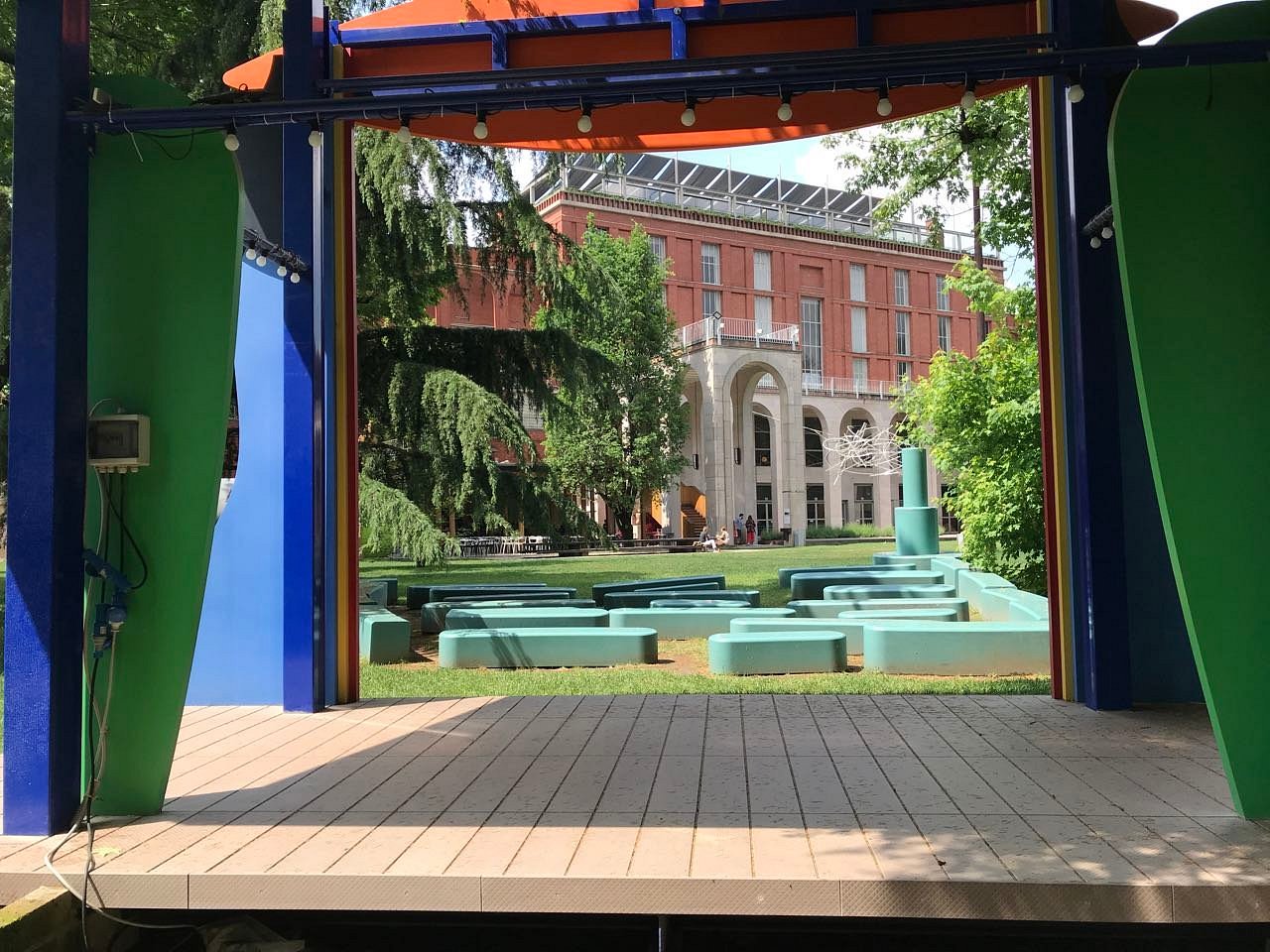
La Triennale
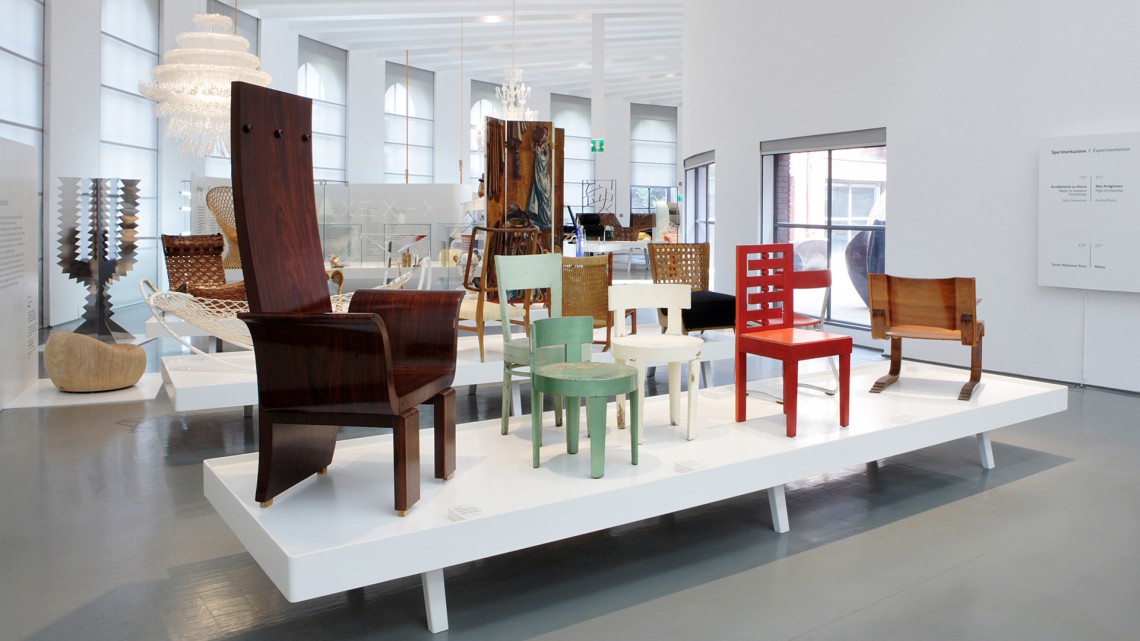
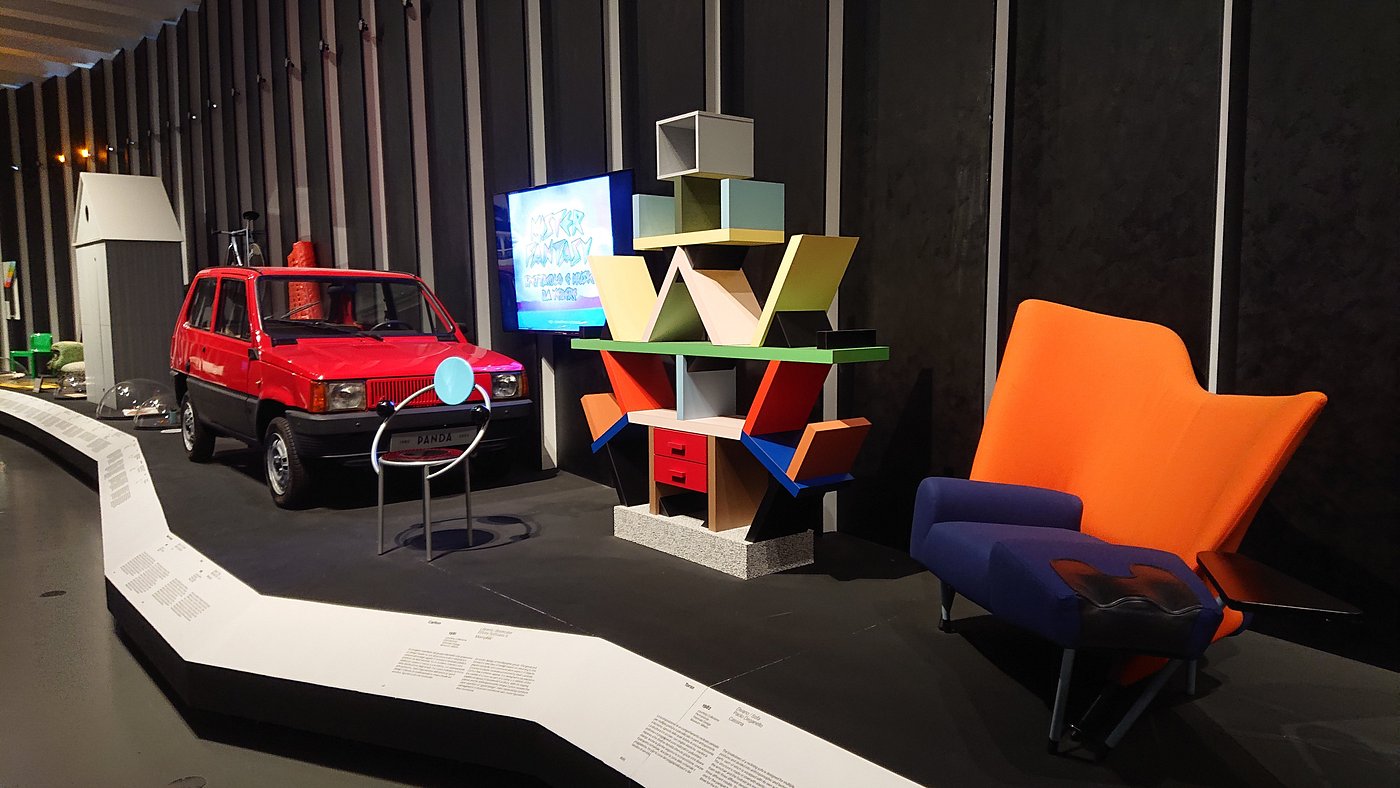
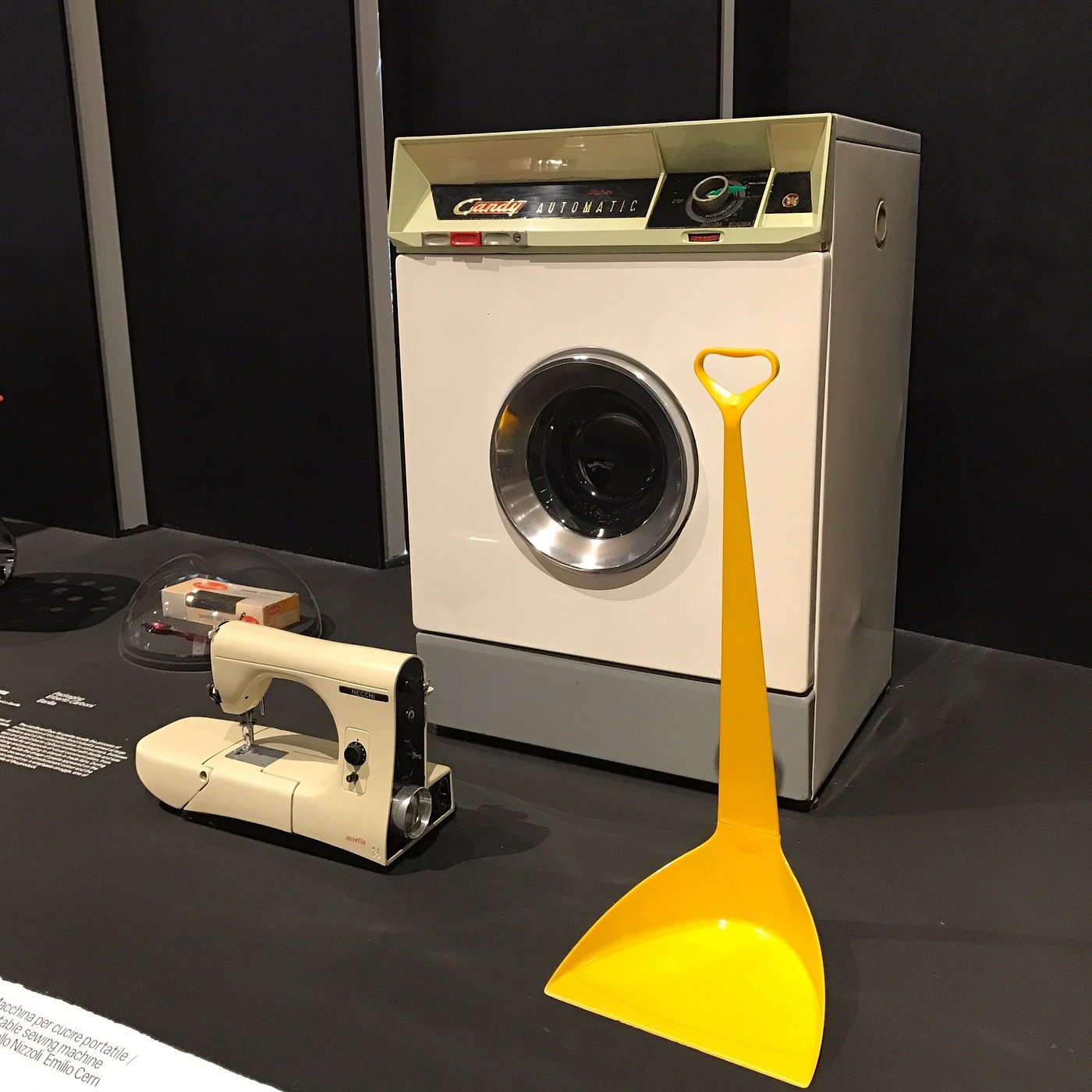
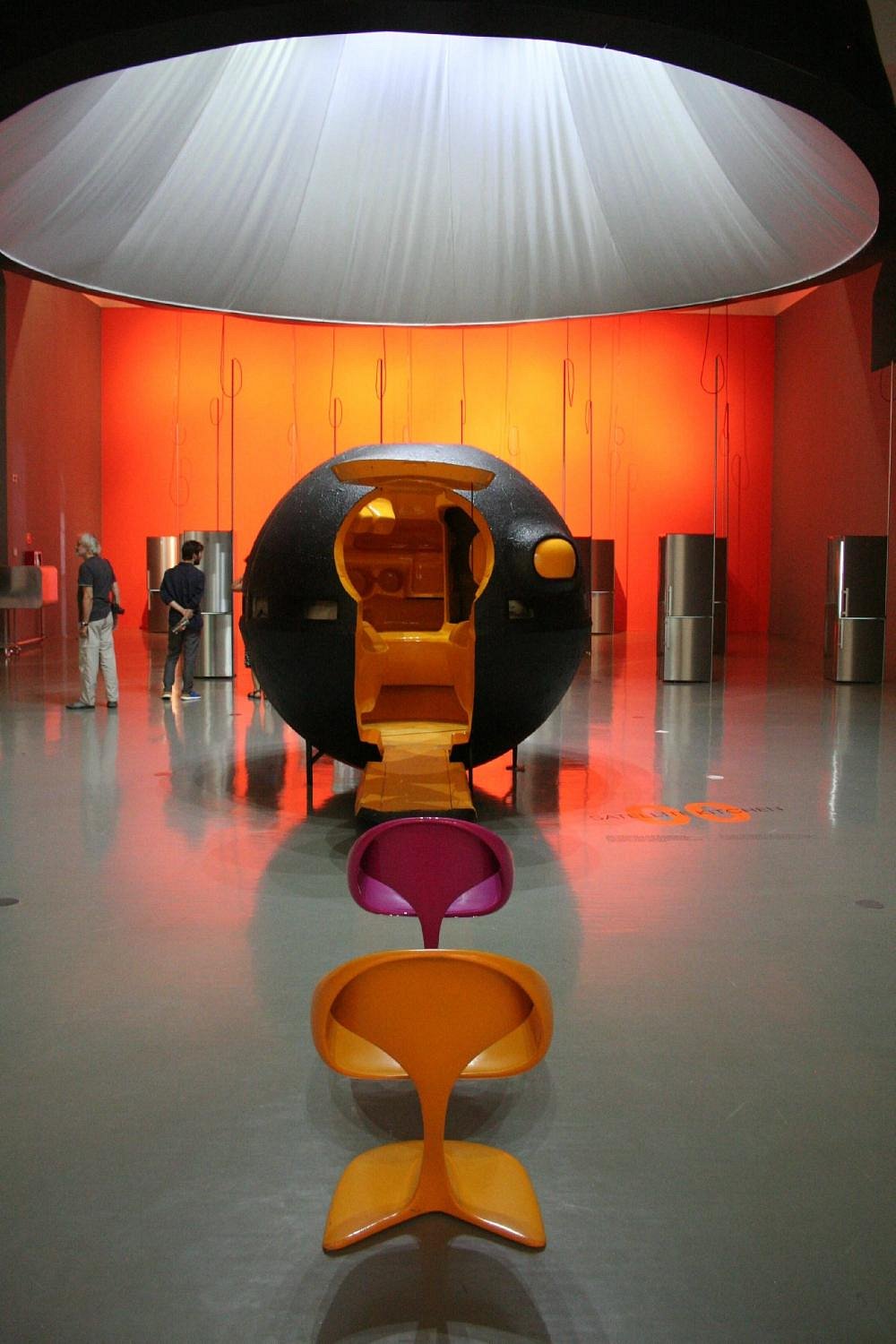
In the immediate post war years the Triennale tackled the problem of reconstruction by promoting, with Piero Bottoni, the building of the experimental QT8 area, in Milan’s Monte Stella district. In the 50’s it also addressed the issue of industrial design, with shows dedicated to this specific sector. The phenomenon of Italian design evolved exactly at that time and was associated to the cult of all things Made in Italy, alongside the country’s industrial development.
Then, starting in the 60’s, the Triennale had to face the problems linked to economic development and social transformation, producing exhibitions such as “La casa e la scuola”(Home and school) in 1960, “Il tempo libero”(Free time) in 1964, “Le città del mondo e il futuro delle metropoli” (World Cities and the future of the metropolis) in 1988, “Identità e differenza” (Identity and difference) in 1996.
I believe we are at a time in society where open and honest communication is not only necessary, but revolutionary. When governments and political systems are no longer a reference point for progress, we look to other places, such as creative institutions, to facilitate that dialogue. Our aim is to change the definition of what it is to be a cultural centre; the Triennale will be a place of reflection and debate, connected with the contemporary culture in a dynamic way that offers new point of view on topics that lie at the very core of our global society.
Stefano Boeri, President