[gtranslate]

Have questions?
Chianti Vineyards
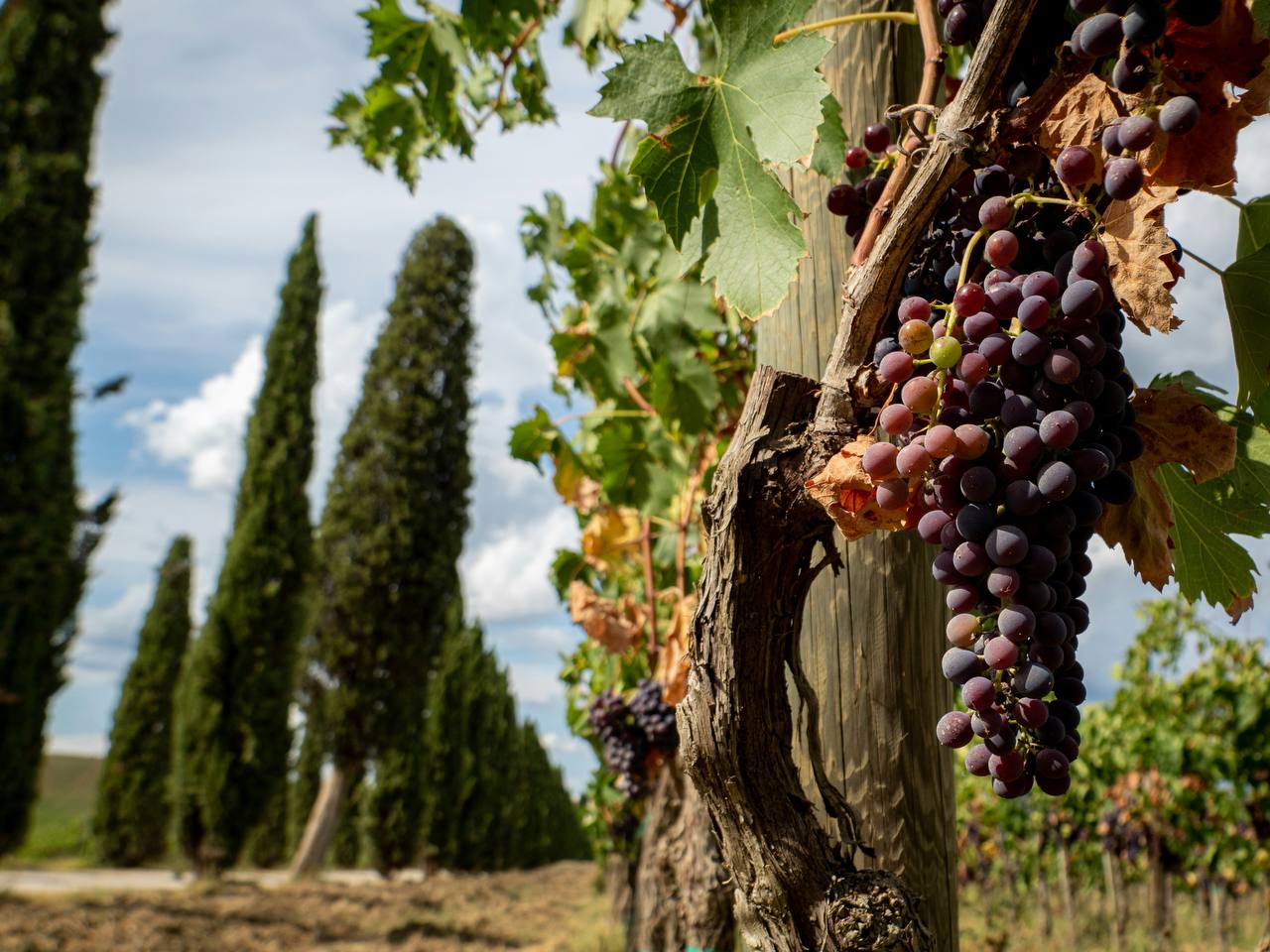
The Chianti region boasts a storied history in winemaking and is home to the world’s first wine production laws. In 1716, Grand Duke Cosimo III de’ Medici established legal boundaries for the area, creating the first officially recognized wine zone.
As the region’s wines gained popularity, demand surged, leading to a rise in cheap imitations made outside the designated area. Over time, the “classic zone” expanded to cover much of central Tuscany, paving the way for mass production. Industrialization in the mid-20th century, combined with workers leaving the Tuscan countryside for urban jobs, created an opportunity for growth. In response, the Italian government funded the replanting of Chianti vineyards to further boost production.
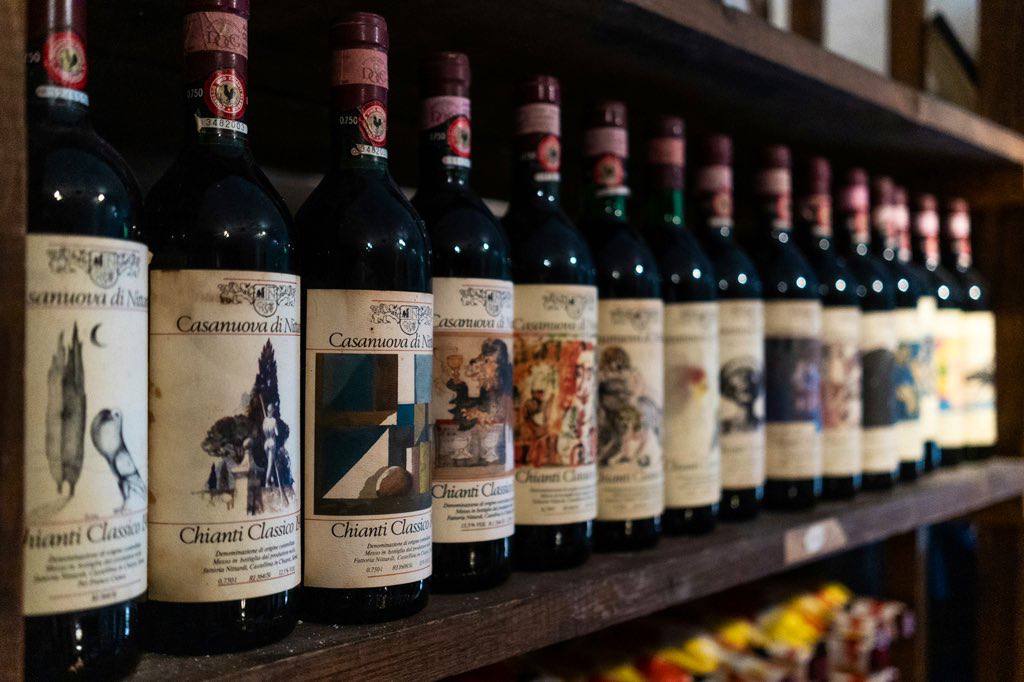
However, these developments came at a cost. By the mid-20th century, Chianti had gained a reputation for low-quality, mass-produced wine. In 1924, to protect and distinguish authentic Chianti from inferior copies, a consortium was formed. They adopted the symbol of the black rooster (Gallo Nero) to signify quality and origin.
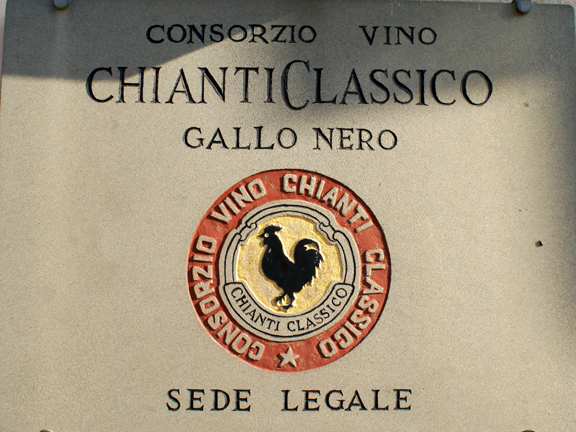
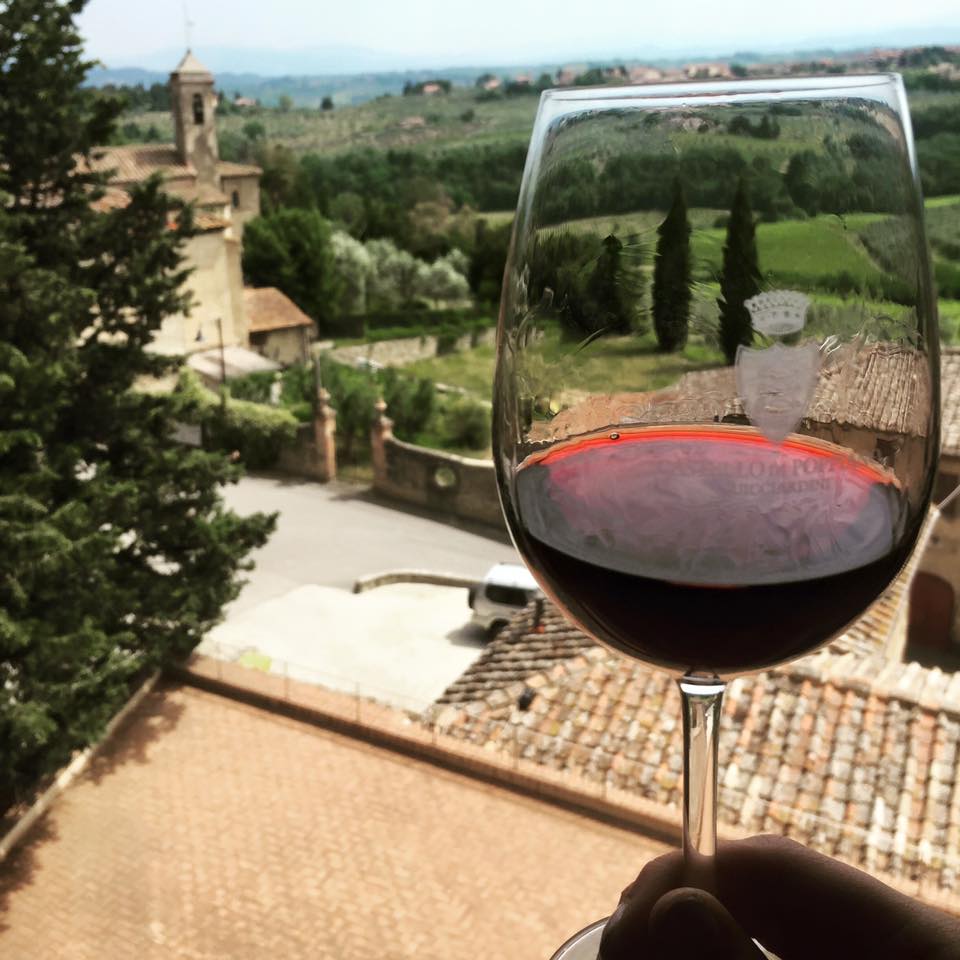
By the late 20th century, Chianti’s fortunes began to shift. In 1984, the region’s wines achieved DOCG certification, the highest level of quality recognition in Italy. Over the past 30 years, Chianti has undergone a remarkable transformation, reclaiming its status as a world-class wine cherished by enthusiasts worldwide.
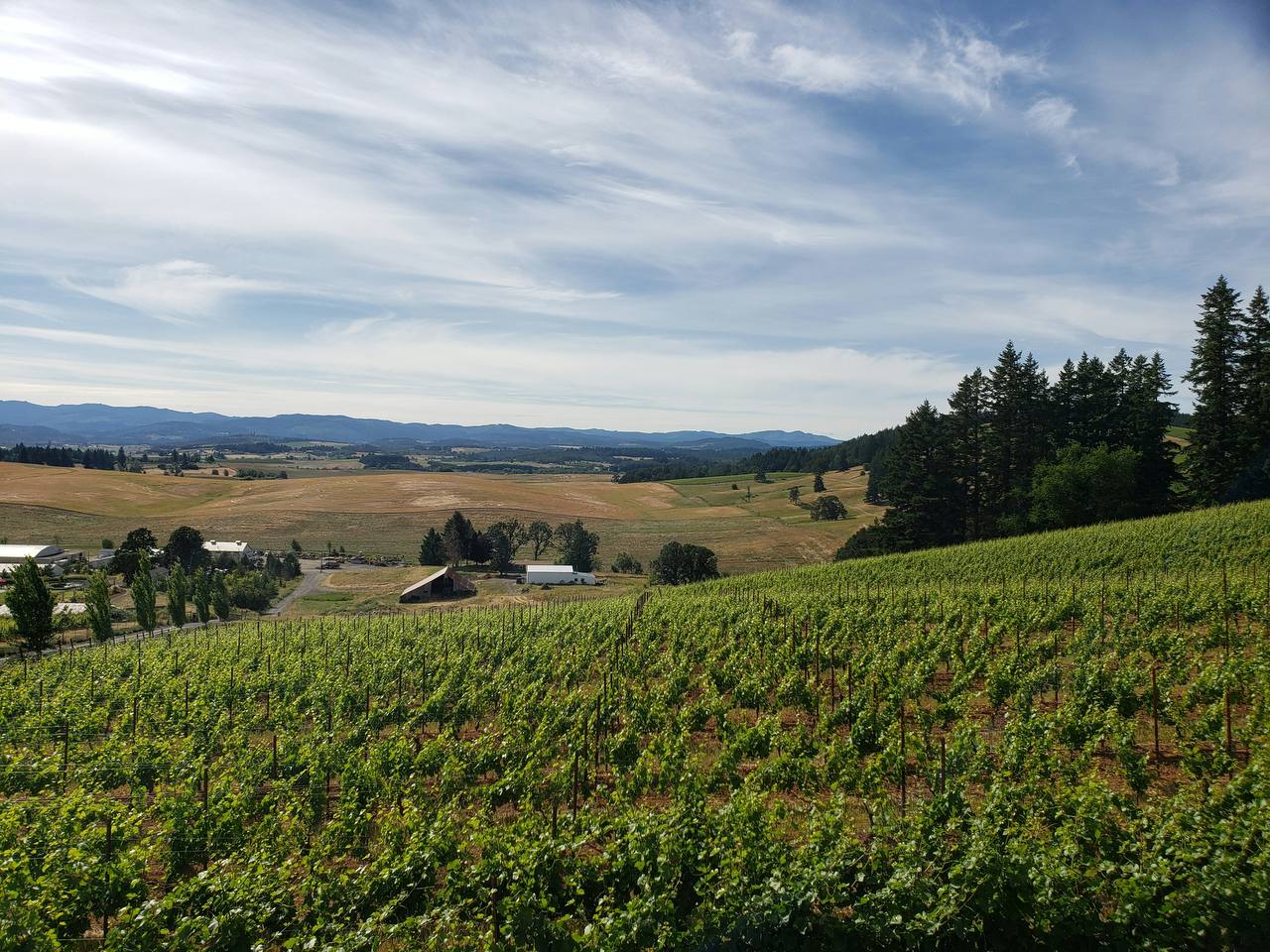
Although the region is just 35 kilometers from Florence as the crow flies, accessing the best wine-producing areas can be tricky. By road, the journey exceeds 45 kilometers, and the train stations are often far from the charming towns and vineyards. Opting for a bespoke tour eliminates these logistical hurdles, offering a seamless experience. You’ll also enjoy stunning views of Chianti’s vineyards and rolling hills from a custom off-road vehicle, making your visit truly unforgettable.