[gtranslate]

Have questions?
Eat and drink at the German Christmas Markets
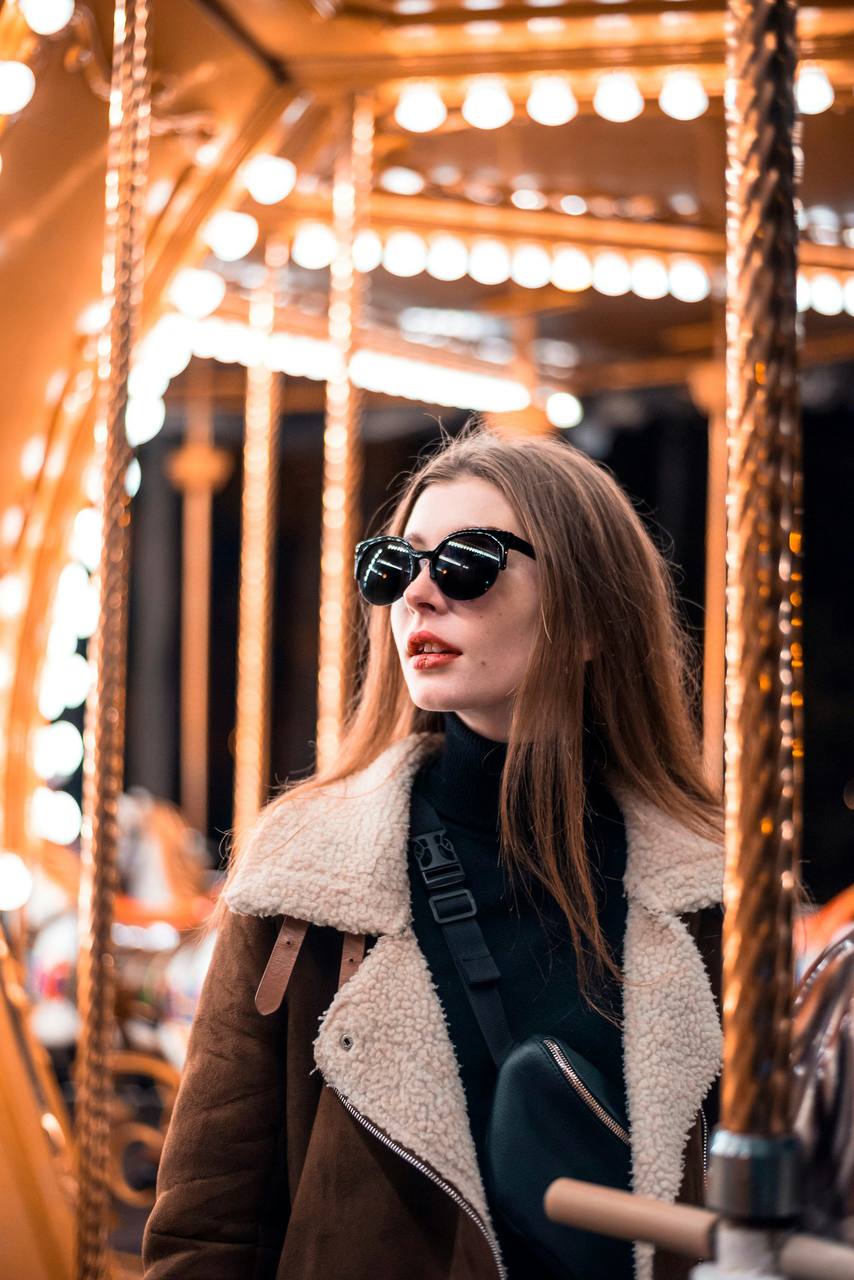
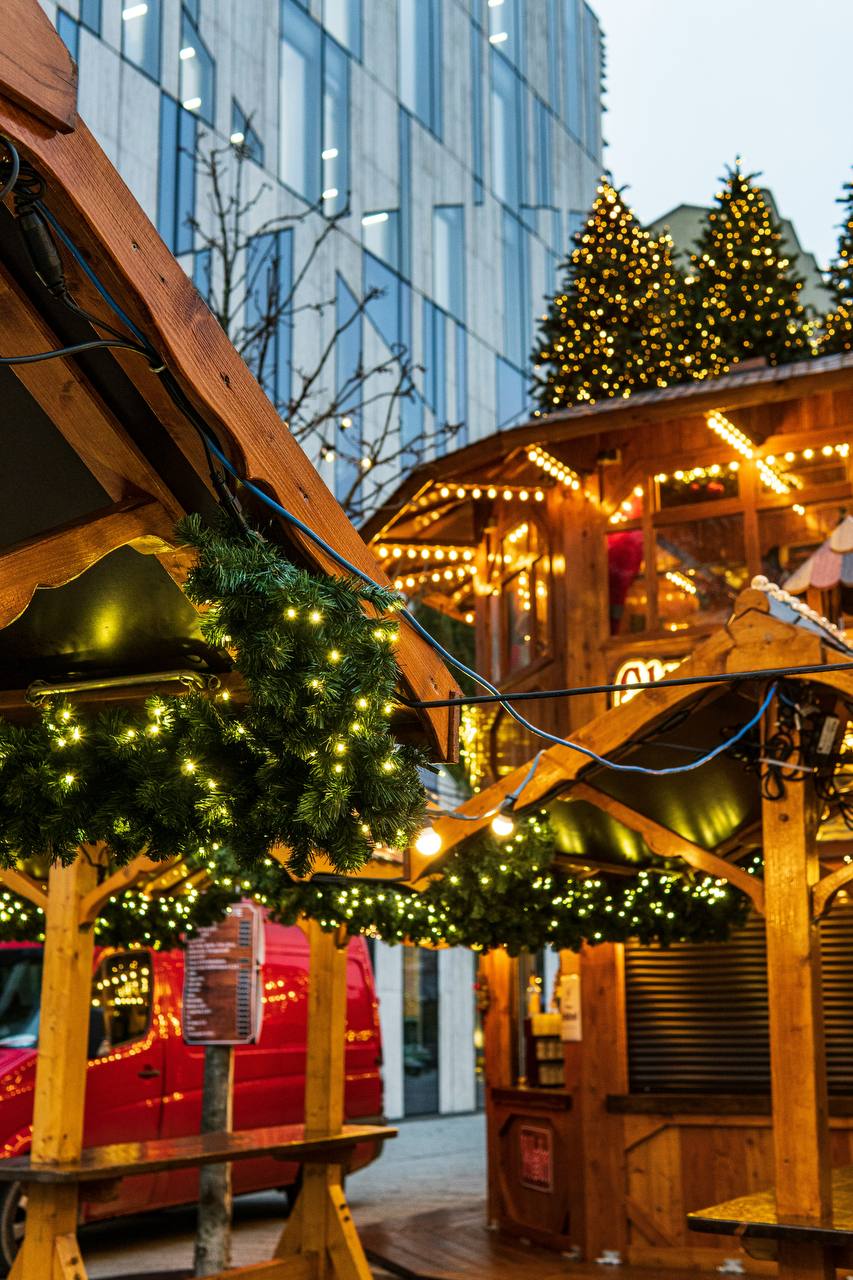
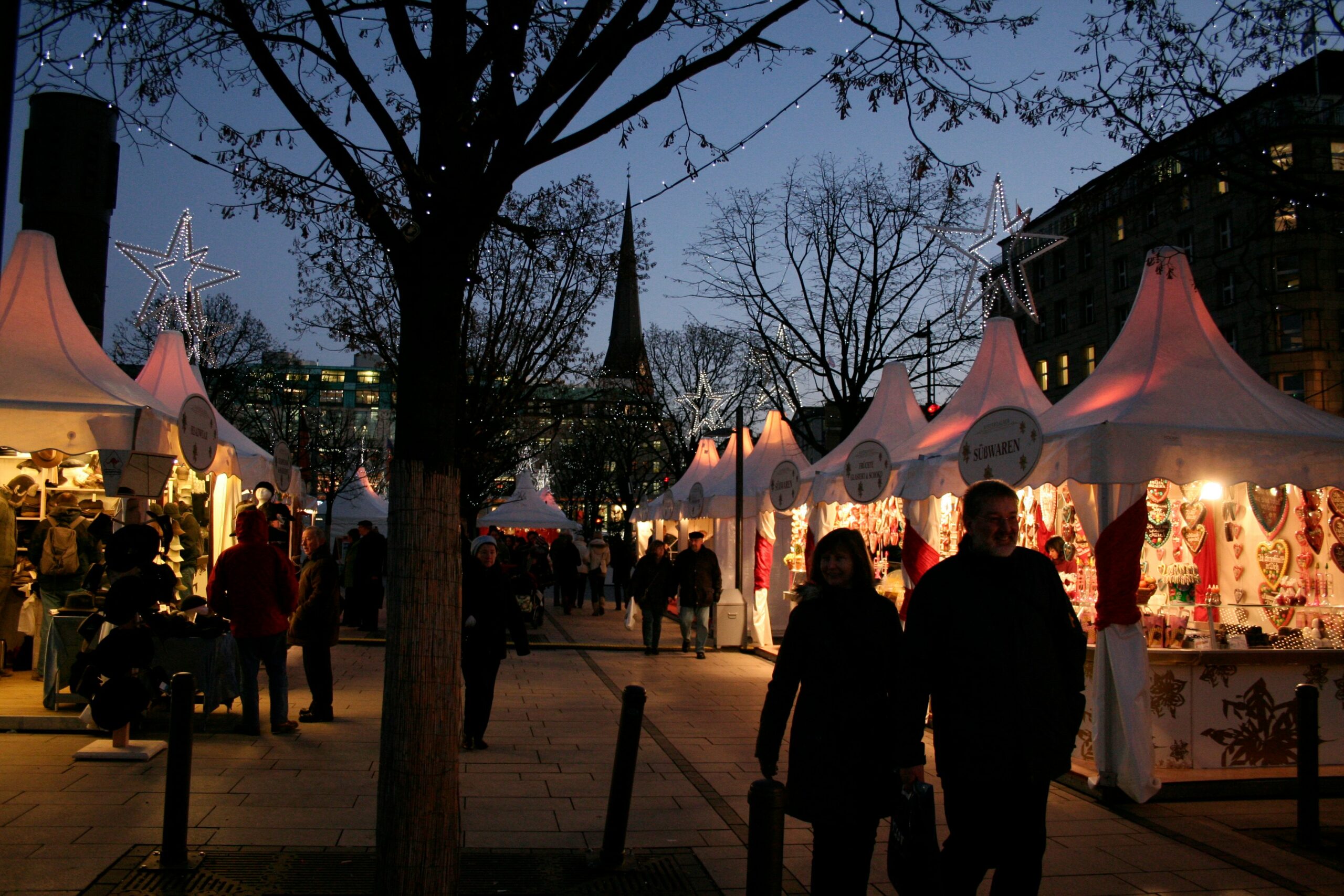
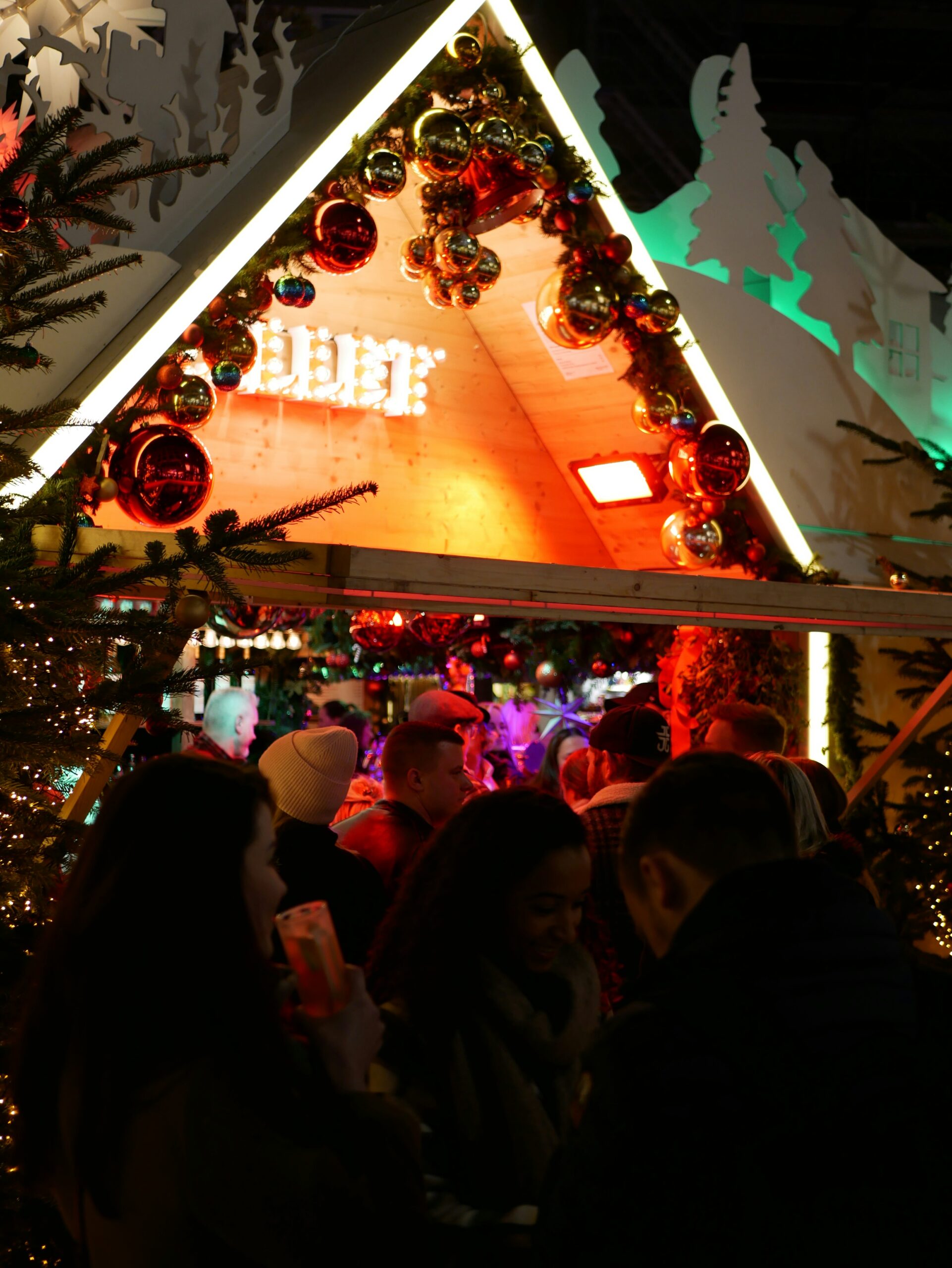
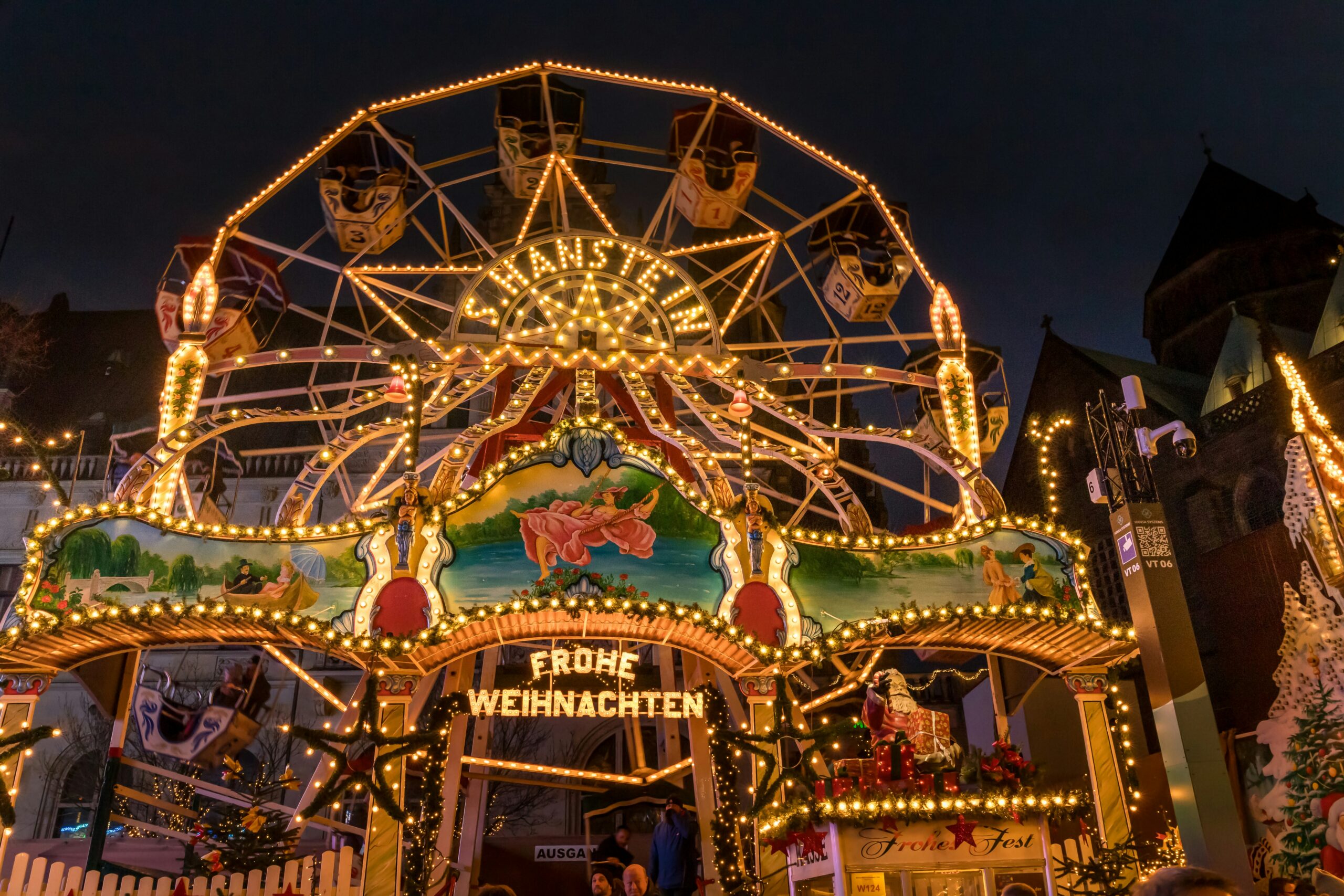
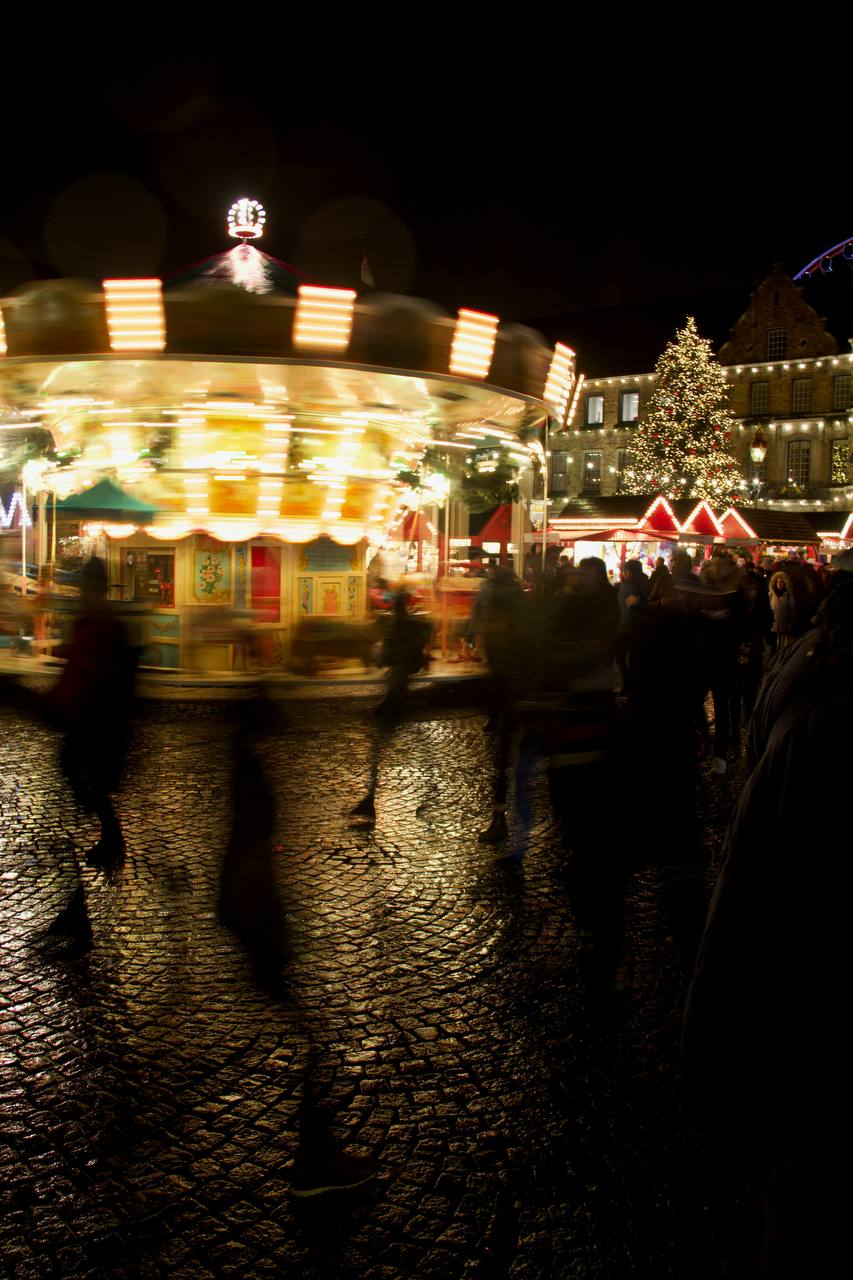
The German Christmas Markets or Weihnachtsmarkt is essentially a street market associated with the celebration of Christmas during the 4 weeks of Advent. The Christmas market’s roots stretch back to Vienna in 1296, when Duke Albrecht I authorized 14-day fairs in the month of December. Despite the timing of these festivities, the fairs weren’t directly connected to Christmas and did not appear to be religious in nature. Another early example of an Advent month but not necessarily Christmas-themed was found in Bautzen, Germany. In 1384, Wenceslas IV, king of Bohemia, gave the city the right to hold a free market, allowing butchers to sell meat until Christmas. Today, during the 4 weeks of Advent, any sizeable town within Germany and around Europe has at least one Christmas Market.
What we recommned to try:
Bratwurst and Currywurst
Whether you’re at the markets or not, wurst is a must-try while in Germany. The origin of the currywurst dates back to 1949 when a German housewife made a trade with some British soldiers. The trade resulted in the dish – German sausage or wurst, sliced and doused in ketchup and sprinkled with curry power. The bratwursts origins are still not entirely known, but most believe it to have originated in Germany several hundreds of years ago. Wursts have gone from being a means of survival, to a suitably-priced delicacy and are enjoyed all around Germany. You won’t struggle to find them around town or in the grocery shops. Try BBQ with some original Franconian specialty these grilled frying steak, beef fillet and Grilled cheese.

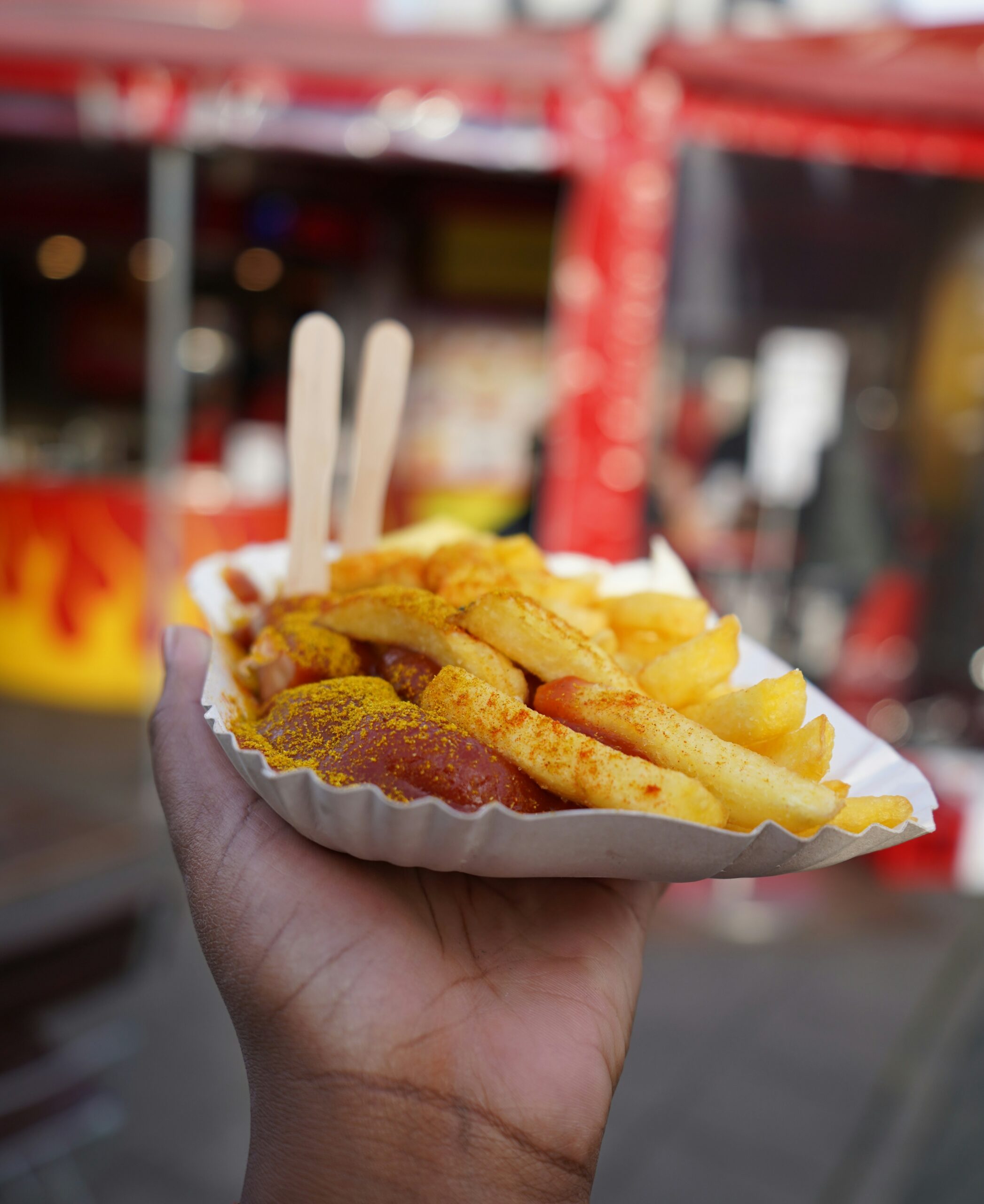
Champignons mit Knoblauchsoße
Champignons mit Knoblauchsoße are mushrooms fried up with garlic and butter (usually with onions) and served with a creamy garlic sauce. They are a staple at any German Christmas Market so you can’t miss them! These are often also served at vegan stalls with an alternative topping.
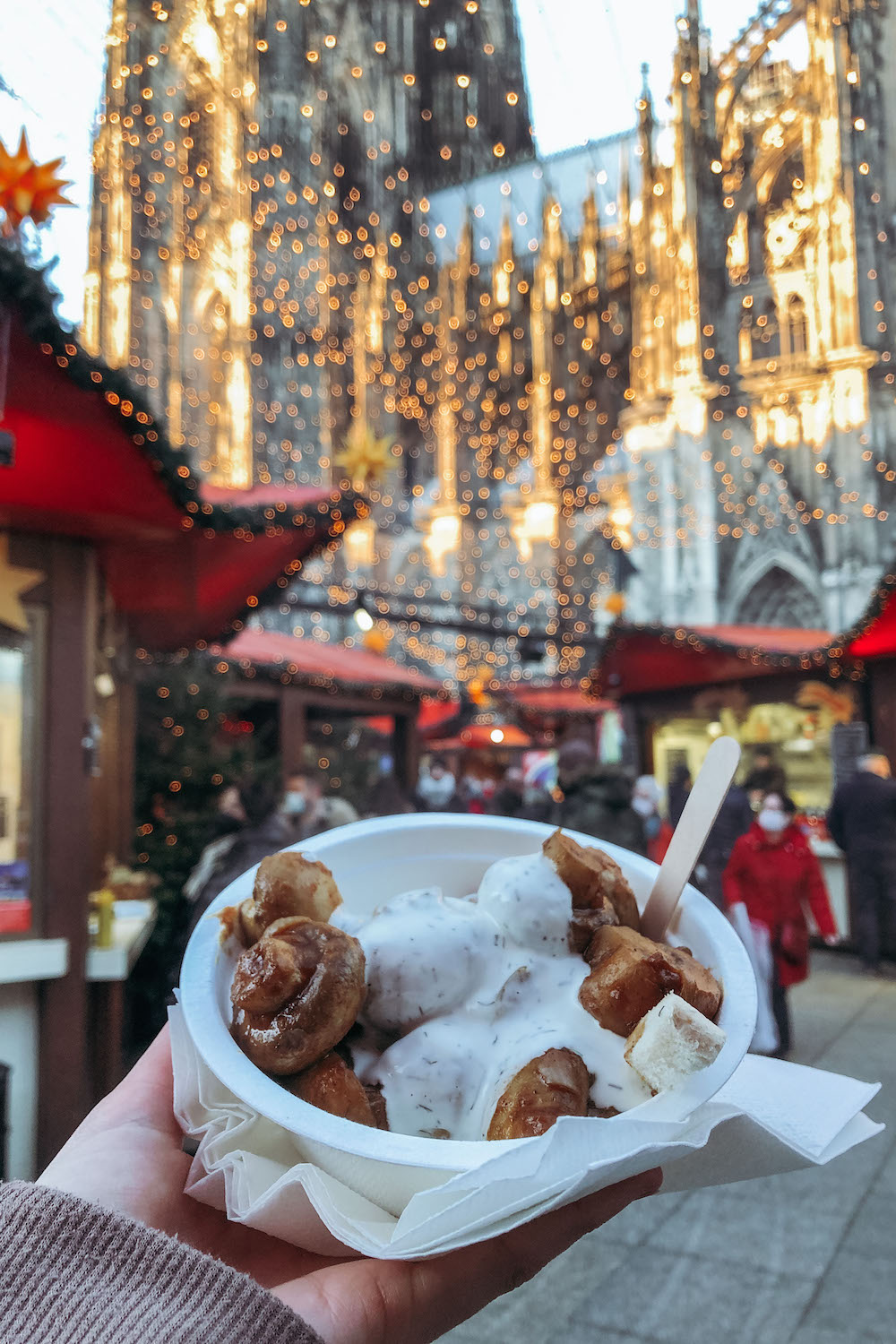
Lebkuchenherz and Gebrannte Mandeln
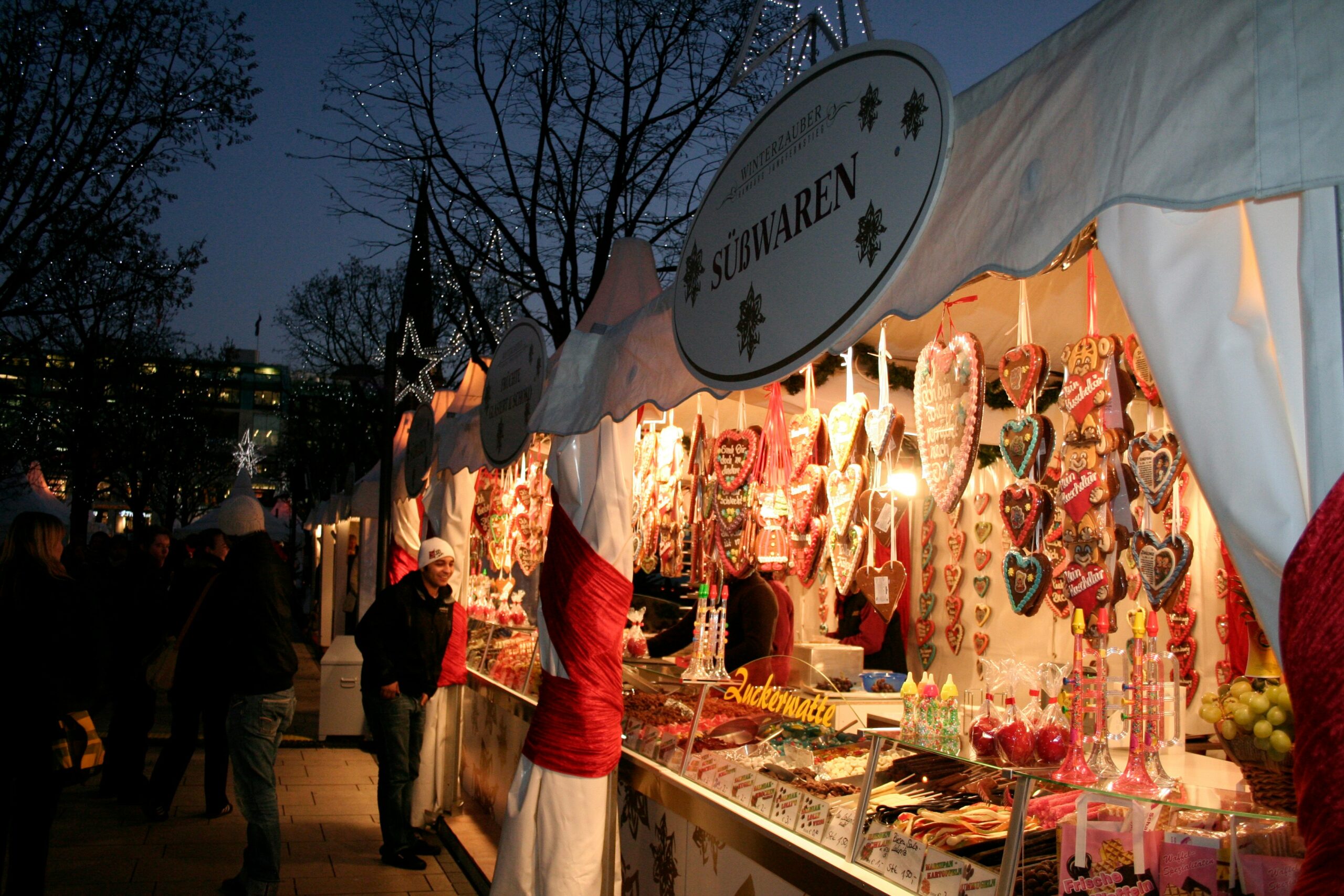
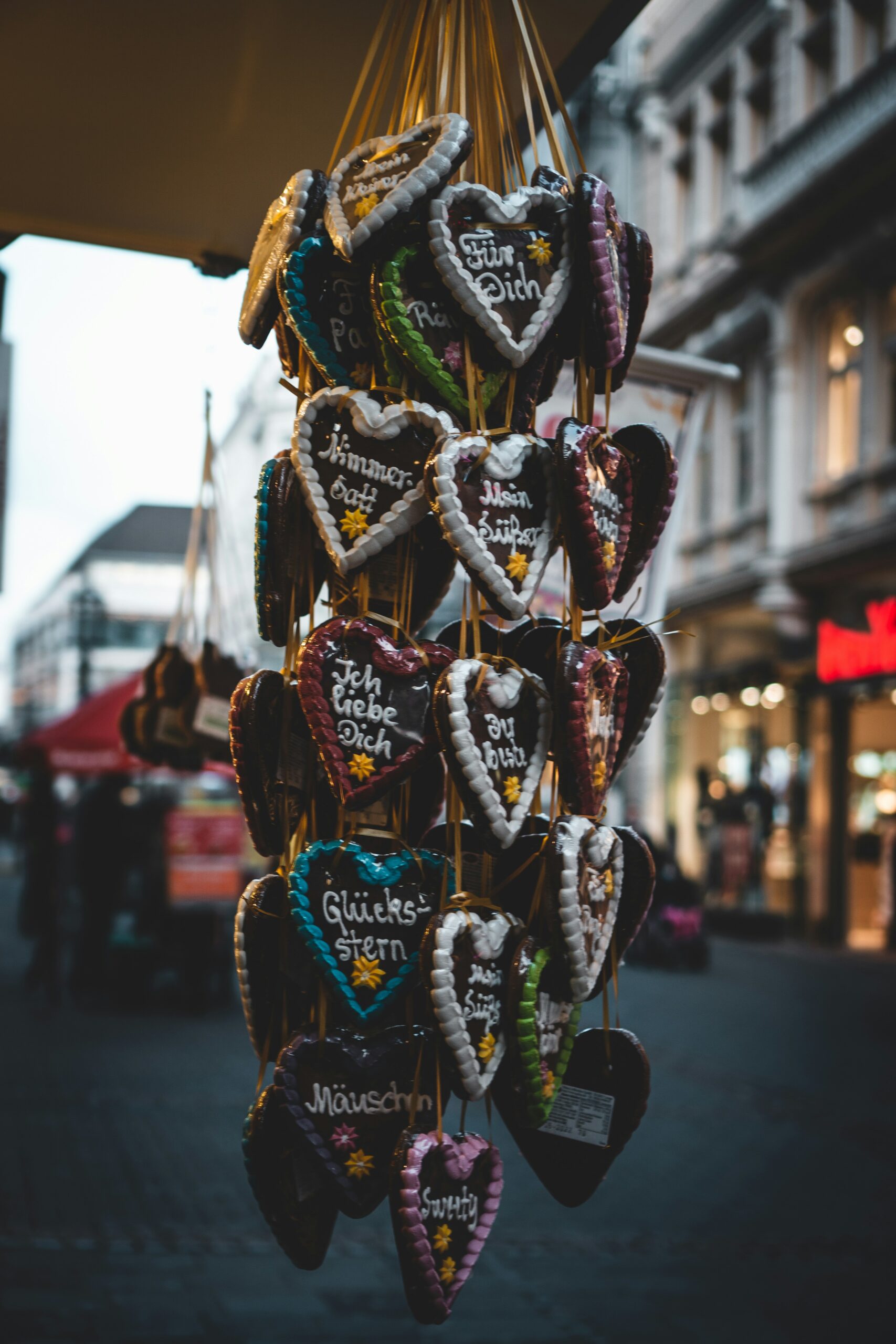
Depending on the region you may also see it called Honigkuchen or Pfefferkuchen but Lebkuchen has a long history dating all the way back to the 13th century. It’s creation originates in the Franconia region of Bavaria, but not this German treat is served at around the country. These cookies are also a very popular find at Oktoberfest, so they are a German delicacy year-round! Lebkuchenherz are also pretty synonymous with Germany’s touristic scene as they are a popular souvenir/gift. Lebkuchen is usually served in a heart shape and iced with cute messages. It’s fun and makes the perfect souvenir – but tastes even better! While most people would opt for the “Ich leibe dich” (I love you), or “Frohe Weihnachten” (merry Christmas), you can even find some with jokes, and even some displaying your relationship status
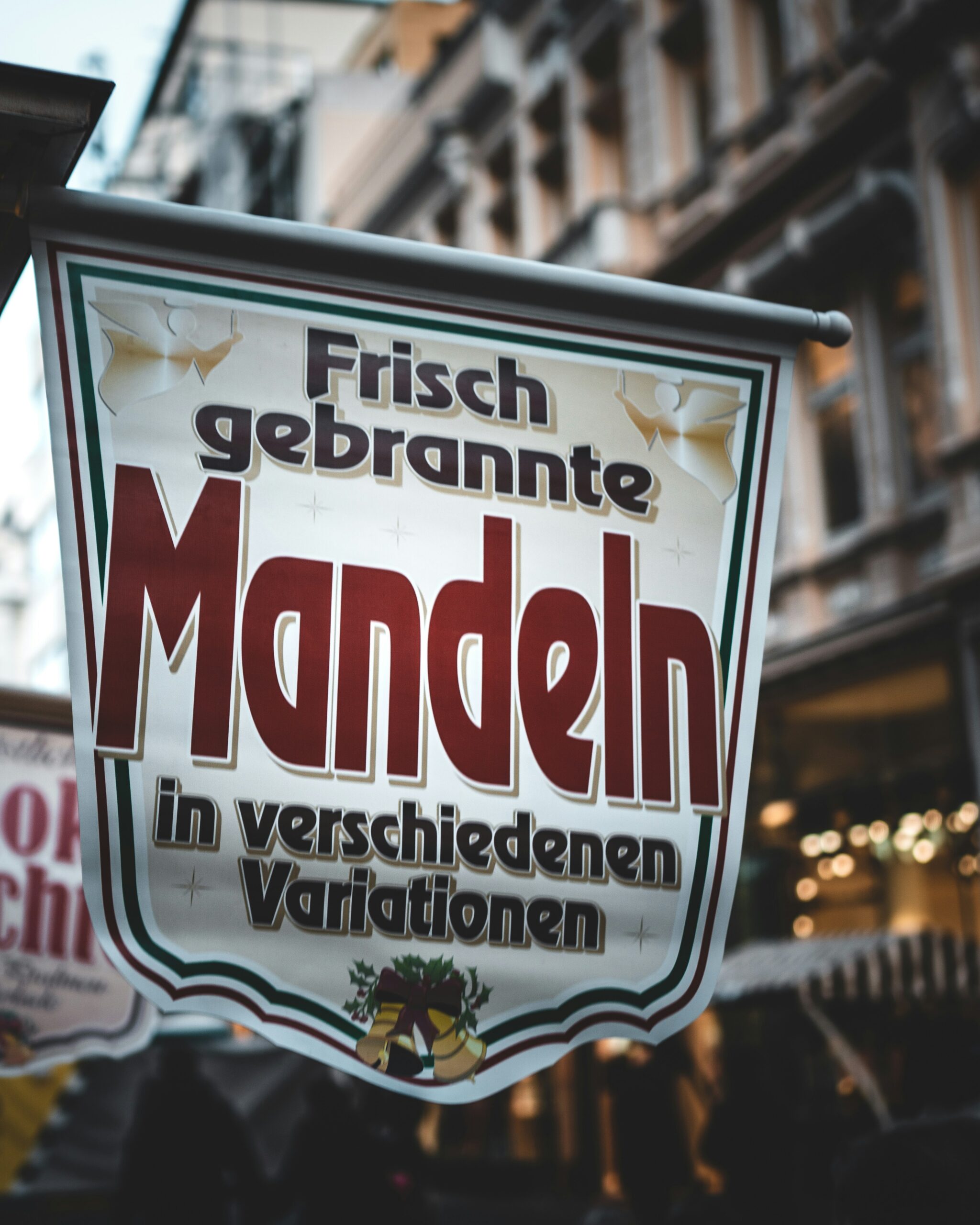
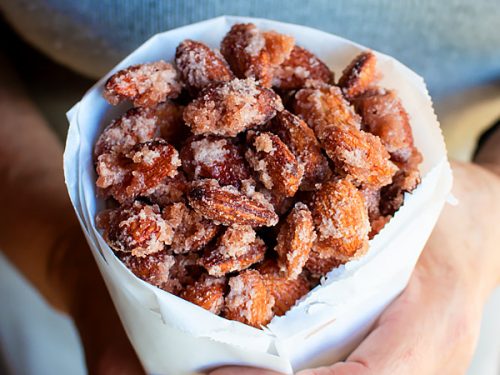
Gebrannte Mandeln are made by cooking a blend of sugar, cinnamon, and vanilla and then adding in the almonds. The nuts are then cooked in the sweet mixture until it melts and coats the almonds. While almonds are the most common, now you’ll usually find cashews, walnuts, peanuts and macadamias too. Some places also sell different flavours like chilli or rum. Every market without fail will have these and it’s worth trying them at least once. They’re fairly cheap, and are usually served in a paper cone – so very easy to wrap up and take home
Eierpunsch
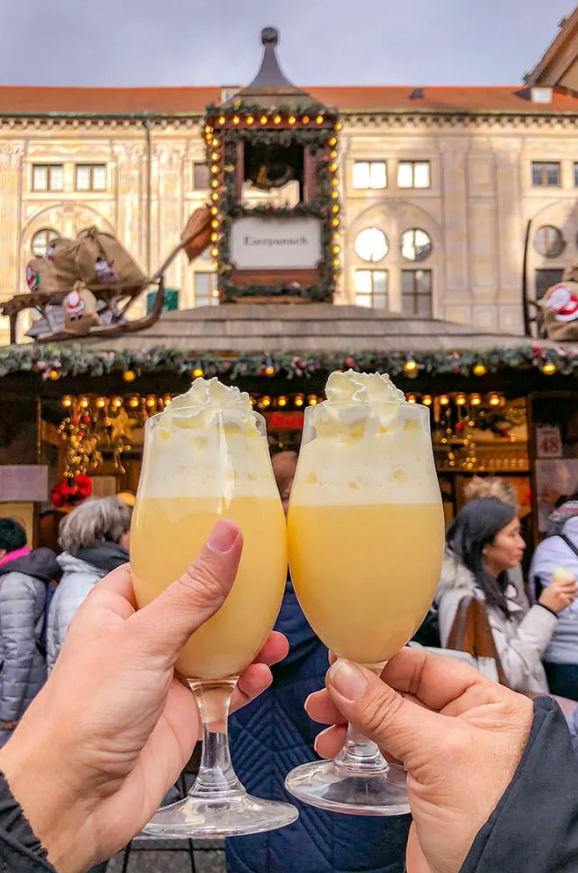
When googling Eierpunsch, it’s said to be a warm, sweet, alcoholic, egg-based drink similar to egg nog. To us it tasted like silky apple pie in a cup, with a strong kick at the end. It was warm, sweet, a little bit too strong but still tasty, especially with cream on top.
Explore Berlin’s Christmas Magic with a Local Guide
Germany transforms into a winter wonderland during the holiday season, and there’s no better way to experience it than with an experienced local guide. On a recent walking tour of the city’s enchanting Christmas markets, we were immersed in the festive charm that defines a German Christmas. The tour led us through some of Berlin’s most famous markets, including Gendarmenmarkt and Charlottenburg. Each stop offered a delightful mix of traditional crafts, glowing decorations, and seasonal treats. From savoring warm Glühwein (mulled wine) to indulging in authentic German sausages and freshly baked gingerbread, the experience was a feast for the senses.
Our guide shared fascinating stories about Berlin’s history and festive traditions, making the tour both educational and delicious. It felt like a step into Germany’s rich cultural tapestry, with every market stall adding a unique thread. If you’re planning a trip to Berlin, don’t miss the chance to explore the Christmas markets with a knowledgeable travel guide. It’s an unforgettable way to celebrate the season and experience the magic of a Germany Christmas market.